Outdoor Structures That Handle Buffalo Winters
Hardscape installation in Buffalo for properties that need permanent outdoor structure without seasonal replanting
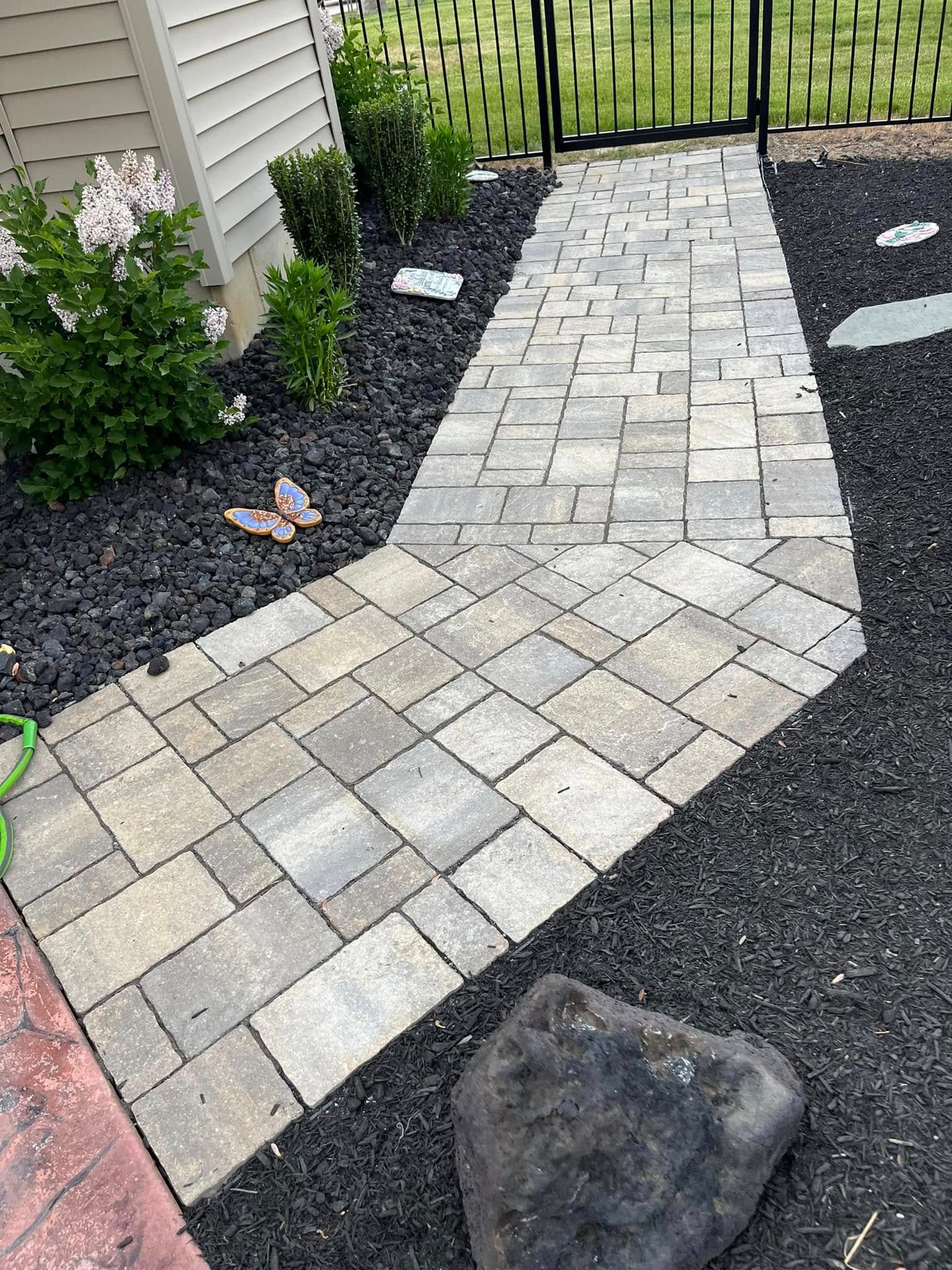
Jensen's Landscaping & Lawn Care installs patios, walkways, retaining walls, and stone features across Buffalo, New York using materials and base preparation designed for freeze-thaw cycles. When you need outdoor space that functions year-round without the maintenance demands of plantings, hardscaping creates defined areas that handle snow removal equipment, ice melt products, and the ground movement common in Western New York clay soils. The installation process includes excavation below the frost line and aggregate base layers that allow drainage rather than trapping water that expands when frozen.
This service addresses properties where lawn or garden beds won't survive the intended use—high-traffic pathways, gathering areas near grills or fire pits, or slopes that erode during spring melt. Retaining walls built with proper backfill and drainage prevent the soil saturation that causes stone to shift or separate during winter months. The finished installation creates borders, levels, or surfaces that remain stable regardless of how much snow gets piled on them during plowing.
Schedule a property evaluation to identify specific grading or drainage concerns before installation begins.
What Proper Base Preparation Accomplishes
The durability of any hardscape depends on what sits beneath the visible stone—compacted aggregate base, landscape fabric to prevent weed growth through joints, and edge restraints that keep pavers from creeping outward under foot traffic. In Buffalo's climate, the base depth must account for frost heave, which means excavating deeper than the frost line and using crushed stone that drains rather than holding moisture.
After installation, you'll notice defined edges that contain mulch or gravel, level surfaces that shed water instead of puddling, and walkways that remain even rather than developing the dips or raised sections common with poured concrete. Retaining walls hold back soil without bowing or separating at the joints, and patios provide stable footing even when wet.
The choice between pavers, natural stone, and block systems depends on the slope of your property, the aesthetic you want, and whether you'll need vehicle access across the surface. Pavers allow for future adjustments if underground utilities need repair, while solid stone provides a more permanent feel but requires complete removal if access is needed below.
What Property Owners Usually Ask
Here are answers to questions that come up when planning hardscape projects in Buffalo.
What happens to hardscaping during freeze-thaw cycles?
Properly installed hardscaping with adequate base depth and drainage allows water to move through rather than pooling beneath the surface, which prevents the heaving and cracking that occurs when trapped moisture freezes and expands.
How does a retaining wall prevent erosion on slopes?
Retaining walls hold soil in place using mass and proper backfill drainage, which redirects water away from the wall face and prevents the saturation that causes soil to slump or wash away during heavy rain or snowmelt.
When should hardscaping be installed?
Installation works best during dry weather when soil can be excavated and compacted effectively, typically late spring through early fall in Buffalo, though mild winter stretches allow for work if the ground isn't frozen.
What maintenance does hardscaping require?
You'll need to sweep joints clear of debris, occasionally add polymeric sand to prevent weed growth, and check that edge restraints remain secure, but hardscaping requires far less upkeep than replanting or reseeding disturbed soil.
Why do costs vary between paver types?
Natural stone costs more than manufactured pavers due to quarrying and transportation, while permeable pavers add cost but reduce runoff issues on properties where drainage is limited or regulated.
Jensen's Landscaping & Lawn Care provides project consultations that include site assessment and material recommendations based on your property's grade and intended use. Contact us to review layout options and determine base requirements for your location.